
The Intricate World of Jueteng: An Overview
Jueteng, a prominent numbers game that has long been part of Filipino culture, presents an intriguing overview of gambling’s social fabric in the Philippines. The game's origins trace back to Spanish colonization, yet it continues to thrive, deeply embedded in the country's socio-economic landscape.
The Mechanics of Jueteng
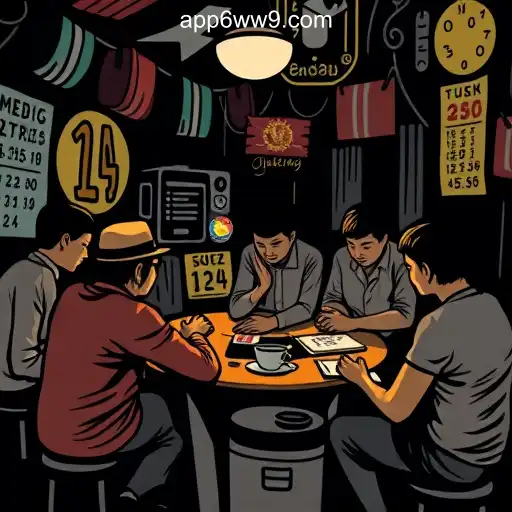
Unlike modernized gambling avenues, Jueteng operates on a simple mechanism that relies heavily on community participation. It is played twice daily, with bettors choosing a pair of numbers from 1 to 37. The winning numbers are drawn in a clandestine manner, often in small, private gatherings.
The appeal of Jueteng, despite legal prohibitions, lies in its simplicity and the hope for quick financial gain. Its operations, usually run by local "cobradors" and "kubradors," ensure it remains a community-driven activity, sustaining livelihoods in economically challenged areas.
Social Impact: More Than Just a Game
Though Jueteng is regarded primarily as a form of entertainment or financial opportunity, its impact on society is multifaceted. In many regions, proceeds from the game's earnings are utilized for community development projects. However, this informal social security scheme often draws controversy for fostering dependency and perpetuating poverty cycles.
The Legal Dilemmas and Challenges
Jueteng exists in a legal gray area where enforcement fluctuates based on political landscapes and law enforcement priorities. This inconsistency is exploited by major syndicates that continue to profit while largely escaping accountability. Attempts to regulate or legalize Jueteng have been regularly thwarted by political opposition and the complex socio-economic implications of such a move.
As seen throughout history, law enforcement’s engagement in policing Jueteng reflects broader societal tensions between legality and community interests.
Emergence of Online Gambling: A Modern Twist
While traditional Jueteng persists, the rise of the digital era has ushered in new forms of gambling convenience like the 6WW9.COM platform, branding itself as the "Oficial Slots Brasil #1." This platform, and others like it, cater to a global audience, offering a seamless experience with greater anonymity and accessibility.
The 6WW9.COM platform represents a shift in gambling tendencies, offering diverse and technologically superior gaming options that include virtual slots and other casino games. Online platforms provide a legal and secure environment, drawing users who seek safer alternatives to traditional, illicit gambling forms.
Economic Perspectives: Financial Implications
Jueteng’s economic implications extend far beyond its immediate participants, influencing broader economic activity in the Philippines. Traditionally, Jueteng operates on cash-only interactions, creating a significant informal economy that circumvents official financial channels. Conversely, platforms like 6WW9.COM contribute to formal economies through taxation and official financial systems, promoting a transparent flow of money.
The tug-of-war between traditional and online gambling exemplifies the complex intersection between culture, economics, and legality. Whereas Jueteng offers immediate financial support, digital platforms contribute to national economies in sustainable, scalable ways.
Cultural Dimensions: More Than Entertainment
The persistence of Jueteng within Filipino society underscores its cultural significance, transcending mere entertainment. It signals a unique intertwining of faith, luck, and community solidarity, often manifesting through superstitious practices intertwined with betting habits. Such cultural dimensions might not translate in the same way through digital platforms, but they adapt and evolve as society does.
Gaming platforms like 6WW9.COM introduce a new cultural paradigm, shifting traditional gaming practices towards a more globally integrated and digitized form.